
The Complete Body Piercing Guide: Types, Jewelry, Healing & Aftercare Tips
Body piercing have become one of the most popular forms of self-expression worldwide. Whether you're considering your first piercing or planning to add another to your collection, understanding different piercing types, jewelry options, healing times, and aftercare practices is essential. This comprehensive Piercing Guide covers everything you need to know before getting pierced.
From classic ear piercings to trendy septum and belly button piercings, this guide will help you make an informed decision while ensuring proper healing and long-term comfort.
Understanding Different Types of Piercings
There are many types of piercings available today, each offering a unique aesthetic and style. The most common categories include ear piercings, nose piercings, lip piercings, eyebrow piercings, and body piercings.
Nose Piercing Types

- Nostril Piercing
- High Nostril Piercing
- Septum Piercing
- Bridge Piercing
- Rhino Piercing
- Austin Bar Piercing
- Nasallang Piercing
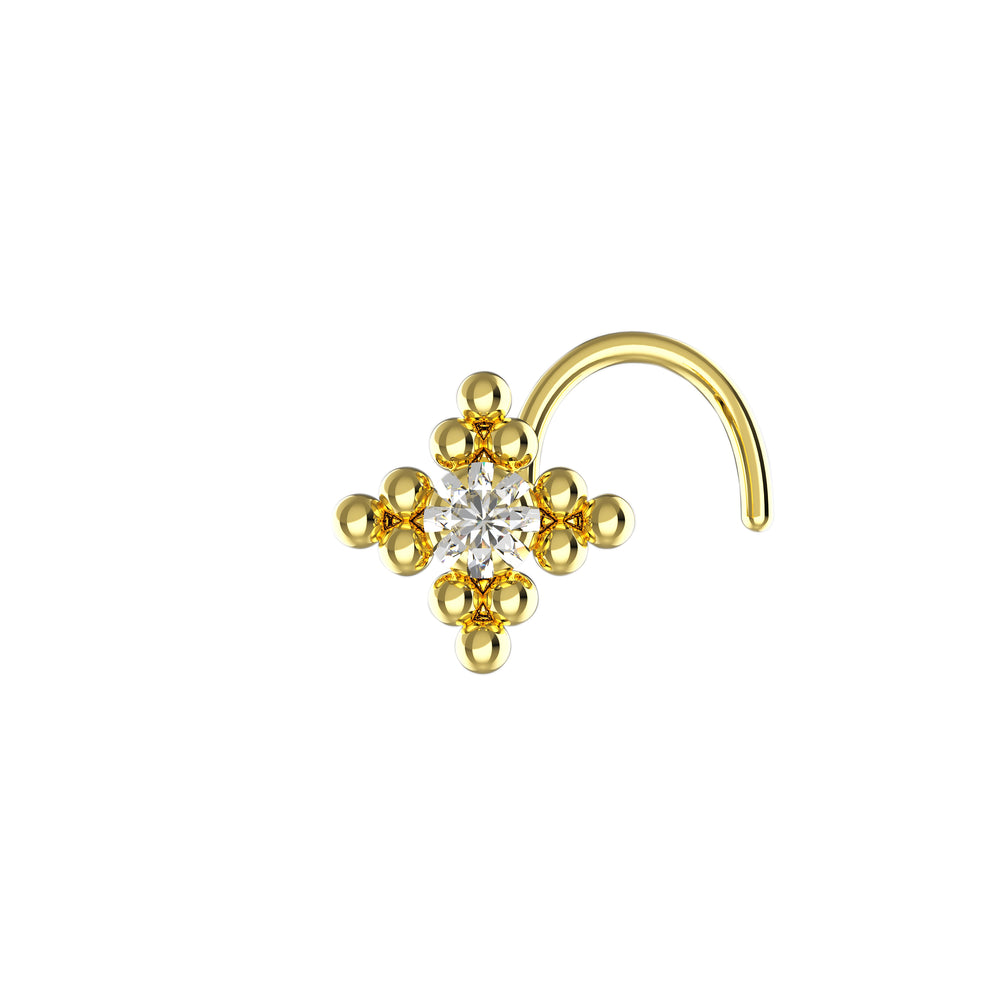
Nostril and septum piercings are particularly popular due to their versatility and wide range of jewelry choices, including nose studs, hoops, and septum rings.
Ear Piercing Types

Ear piercings offer countless styling possibilities. Common ear piercing types include:
- Lobe Piercing
- Helix Piercing
- Forward Helix Piercing
- Tragus Piercing
- Daith Piercing
- Rook Piercing
- Conch Piercing
- Snug Piercing
- Industrial Piercing
Many people create curated ear styles by combining multiple ear piercings with matching jewelry.
Lip Piercing Types

Lip piercings create a bold and fashionable appearance. Popular styles include:
- Medusa Piercing
- Monroe Piercing
- Madonna Piercing
- Ashley Piercing
- Labret Piercing
- Side Labret Piercing
These piercings are often paired with elegant labret studs or rings for a stylish finish.
Eyebrow Piercing Types

Eyebrow piercings are known for their edgy and modern look. Popular variations include:
- Vertical Eyebrow Piercing
- Horizontal Eyebrow Piercing
- Anti-Eyebrow Piercing
Curved barbells are commonly used for these piercings because they provide comfort and support during healing.
Body Piercing Types
Body piercings extend beyond the face and ears. Common options include:
- Navel (Belly Button) Piercing
- Nipple Piercing
- Surface Piercings
- Madison Piercing
Belly button piercings continue to be one of the most popular body piercing choices due to their versatility and jewelry options.
Choosing the Right Piercing Jewelry
Selecting high-quality jewelry is one of the most important decisions you'll make after getting pierced. The right jewelry reduces irritation and supports proper healing.
Best Materials for New Piercings
Titanium
Titanium is considered one of the safest options for fresh piercings. It is lightweight, hypoallergenic, and highly resistant to corrosion.
Surgical Stainless Steel
Surgical steel is durable and widely used by professional piercers. However, people with metal sensitivities may prefer titanium.
Solid Gold
High-quality gold jewelry offers a luxurious appearance and is suitable for healed piercings.
Bioflex
Bioflex jewelry is flexible and comfortable, making it suitable for certain body piercings.
Popular Jewelry Styles
- Nose Studs
- Nose Hoops
- Septum Rings
- Dangle Nose Rings
- Cartilage Earrings
- Helix Hoops
- Labret Studs
- Belly Button Rings
- Curved Barbells
- Circular Barbells
- Clickers
When purchasing jewelry, always prioritize quality over price to minimize complications.
Piercing Pain Chart
Pain tolerance varies from person to person, but the following chart provides a general comparison:
 Many people search for a piercing pain chart before deciding which piercing to get. While pain is temporary, proper aftercare is critical for long-term success.
Piercing Healing Time Chart
Healing times vary depending on the location and individual healing process.

Following proper aftercare instructions can help reduce healing time and prevent complications.
Essential Piercing Aftercare Tips
One of the most important sections of any Piercing Guide is aftercare. Proper care ensures healthy healing and minimizes infection risks.
Clean Twice Daily
Use a sterile saline solution to gently clean your piercing twice a day.
Avoid Touching the Piercing
Touching a fresh piercing with unwashed hands can introduce bacteria and cause irritation.
Do Not Rotate Jewelry
Modern piercing experts recommend leaving jewelry alone during healing.
Avoid Swimming
Pools, hot tubs, lakes, and oceans can expose fresh piercings to harmful bacteria.
Be Patient
Changing jewelry too early can disrupt healing and lead to complications.
Monitor for Infection
Seek professional advice if you experience excessive swelling, persistent pain, or unusual discharge.
Common Piercing Mistakes to Avoid
Many piercing complications result from avoidable mistakes. Common issues include:
- Choosing low-quality jewelry
- Getting pierced by inexperienced practitioners
- Removing jewelry prematurely
- Using harsh cleaning products
- Sleeping directly on healing piercings
- Ignoring signs of irritation or infection
Avoiding these mistakes will significantly improve your healing experience.
How to Choose the Right Piercing
If you're wondering, "What piercing should I get?" consider the following factors:
- Your personal style
- Workplace dress codes
- Pain tolerance
- Healing commitment
- Jewelry preferences
- Facial and ear anatomy
For beginners, lobe piercings, nostril piercings, and eyebrow piercings are often excellent starting points because they are relatively easy to heal.
Final Thoughts
This Piercing Guide covers the most popular piercing types, jewelry materials, healing timelines, pain levels, and aftercare recommendations. Whether you're interested in ear piercing types, nose piercing types, lip piercing types, eyebrow piercings, or body piercings, understanding the healing process and choosing quality jewelry are key to a successful piercing experience.
Always work with a professional piercer, invest in high-quality jewelry, and follow proper aftercare practices to enjoy your new piercing safely and comfortably.
FAQs
1. What is the easiest piercing for beginners?
Lobe piercings are generally considered the easiest and quickest to heal, making them ideal for first-time piercing enthusiasts.
2. Which piercing hurts the most?
Nipple and industrial piercings are often rated among the most painful due to the amount of tissue involved.
3. How long does a nose piercing take to heal?
A nostril piercing typically takes between 2 and 4 months to heal completely, while septum piercings may heal slightly faster.
4. What is the best jewelry material for sensitive skin?
Implant-grade titanium is widely regarded as the safest and most hypoallergenic option for sensitive skin.
5. Can I change my jewelry during the healing period?
It is best to wait until the piercing has fully healed before changing jewelry unless advised by a professional piercer.


Leave a comment