
How to Order Custom Nose Rings and Belly Rings Without Getting It Wrong
I custom-ordered 8 nose rings and 5 belly rings — here's what nobody tells you.
I custom-ordered my first nose ring three years ago and got almost everything wrong.
Wrong gauge. Wrong diameter. Wrong metal for a healing piercing. I wore it for two weeks before my piercer looked at it, sighed, and told me to take it out. That piece cost me $60 and a month of irritation.
The belly ring was worse. I ordered a 6mm barbell because it looked dainty online. It arrived, I put it in, and by day three my navel was red, pinched, and angry. The barbell was 2mm too short. My piercer winced when she saw it.
Since then I've ordered thirteen custom pieces. Eight nose rings, five belly rings. I've made most of the mistakes you can make, and I've learned exactly how to avoid them.
Here's everything nobody told me the first time.
The Mistake Almost Everyone Makes First
You pick the design before the fit.
I know why. The design is the fun part. You scroll through skull nose rings and rose gold dangles and gemstone clickers, and you fall in love with something. Then you order it in whatever size sounds right.
This is backwards. For both piercings.
With my first nose ring, I fell in love with a 10mm hoop because it looked elegant in the product photo. What I didn't know was that my nostril needed an 8mm. The 10mm hoop hung too low, caught on everything, and migrated the piercing within a month.
With my first custom belly ring, I fell in love with a dangle charm shaped like a crescent moon. I ordered it on a 6mm barbell because shorter sounded safer. It wasn't. My navel needed 8mm.
Here's the rule I wish someone had given me on day one:
Fit is boring. Fit is everything. Design is the reward you get after the fit is right.
Order of operations, every time: gauge → size → metal → design → shop. If you get the first three right, the design almost never fails. If you get them wrong, no design saves you.
Step 1 — Know Your Gauge (Before Anything Else)
Gauge is the thickness of the jewelry. It's the number nobody explains and everybody gets wrong.
Nose rings
Standard gauges are 20G, 18G, and 16G. The smaller the number, the thicker the jewelry.
20G is the thinnest — common for nostril studs, delicate but prone to the "cheese cutter" effect if you wear a hoop
18G is the most common nostril size — a good balance of delicate and durable
16G is thicker — common for septum piercings and for people who've stretched their nostril
Most nostril piercings are done at 18G or 20G. Most septum piercings are done at 16G or 14G.
When I ordered my first nose ring, I assumed 20G was standard. It wasn't for my piercing. My piercer had used 18G, and my 20G hoop slid around, irritated the piercing, and never sat right.
Belly rings
Standard gauge is 14G. Some piercers use 16G, but 14G is the norm.
Why is belly jewelry thicker than nose jewelry? Movement. Your navel moves constantly — when you sit, stand, bend, breathe deeply, wear a waistband. Thicker jewelry holds up to that friction without bending or migrating. Thinner jewelry on a navel piercing is asking for trouble.
When I ordered a 16G belly ring because it looked daintier online, my piercer winced. She'd pierced me at 14G. The 16G barbell was too thin for the piercing channel and never healed right.
How to confirm your gauge
You have three options:
1. Ask your piercer. This is the best one. They know exactly what they pierced you at and can write it down.
2. Measure an existing piece. If you have jewelry that fits well, take it to a piercer and ask them to gauge it.
3. Check your piercing receipt or aftercare sheet. Many studios list the gauge.
If you're guessing, you're probably wrong. I was.
Step 2 — Measure Your Size (The Part Nobody Explains)
Gauge is thickness. Size is something different. This is where most people — including me — get confused.
Nose rings
For nose rings, size means hoop diameter or post length. They're not the same measurement.
Hoop diameter is the width of the circle. Common sizes:
- 6mm — small, snug, good for close nostril fits
- 8mm — the most common nostril hoop size
- 10mm — larger, more visible, good for septums or a statement nostril look
Post length is the length of the straight bar on a stud. Common sizes range from 6mm to 8mm for nostrils.
Here's what happens when it's wrong:
- Too small: the hoop pinches the nostril, restricts airflow, and can cause the "cheese cutter" effect — the jewelry slowly slices through the piercing channel
- Too big: the hoop hangs low, catches on towels and clothes, and migrates the piercing over time
My first 10mm hoop did both. It hung low enough to catch on everything, and over a month it migrated my piercing downward. I had to let it close and get re-pierced.
Belly rings
For belly rings, size means barbell length. This is the single most important measurement on a navel piercing.
Common lengths:
- 6mm — short, for well-healed and shallow navels
- 8mm — the most common length
- 10mm — for deeper navels or people with more tissue
- 12mm — for very deep navels or during initial swelling
Too short, and the jewelry pinches the piercing. You get redness, tenderness, and — if you ignore it — rejection. The piercing literally pushes the jewelry out of your body.
Too long, and the jewelry slides, catches on waistbands, and migrates. The piercing heals crooked, or the channel stretches in the wrong direction.
My 6mm barbell was 2mm too short. My navel needed 8mm. By day three, the skin around the piercing was red and pinched. My piercer swapped it for an 8mm titanium barbell, and the irritation cleared up within a week.
How to measure at home
You can measure at home, but honestly — don't. Have your piercer do it.
If you insist on measuring yourself:
- For a nose ring: use a ruler against an existing hoop that fits well. Measure the inner diameter, not the outer.
- For a belly ring: measure the distance between the top and bottom holes of your piercing, then add 1–2mm for comfort.
But here's the thing I've learned the hard way: I still have my piercer measure every piece before I order. I don't trust myself. It's a five-minute appointment and it's saved me hundreds of dollars.
Reader takeaway: Nose rings size by diameter. Belly rings size by length. Both fail the same way when they're wrong — pinching, migration, and a piercing that never quite heals.
Step 3 — Choose the Metal for Your Piercing Stage
Metal matters more than most people realize. It's the difference between a piercing that heals clean and one that stays angry for months.
The rules that apply to both
Titanium is the best choice for a healing piercing. It's hypoallergenic, lightweight, and won't react with your skin. Implant-grade titanium (often called Ti-6Al-4V ELI) is the standard.
14K and 18K gold are fine for healed piercings. They're beautiful and durable. But watch for nickel — even "nickel-free" gold can contain trace amounts. If you have sensitive skin, stick with titanium until fully healed, then switch.
Surgical steel is cheap and common. It's also not always safe. "Surgical steel" isn't a regulated term — it can contain nickel, and it can irritate sensitive piercings. I've had reactions to surgical steel nose rings. I don't buy them anymore.
Niobium and bioflex have specific uses — niobium for people with severe metal allergies, bioflex for certain medical or work situations. They're not everyday choices, but they matter when they matter.
Where nose rings and belly rings differ
Nose piercings heal in 4 to 8 weeks. Belly piercings heal in 6 to 12 months.
That difference changes everything about metal choice.
For a nose ring, you'll be in healing metal for a month or two, then you can switch to gold or whatever you like.
For a belly ring, you're in healing metal for up to a year. That's a long time to wear titanium before you get to the piece you actually wanted. And belly piercings are more prone to metal reactions because of friction, sweat, and constant movement.
So if you're going to splurge on high-quality metal, splurge on the belly ring first. It matters more, for longer.
I learned this the hard way. I put a cheaper gold-plated belly ring in at month four of healing, and my navel rejected it within a week. Redness, swelling, the whole thing. I went back to titanium and stayed there until month twelve.
Step 4 — Pick the Design (Now You Can Have Fun)
If you've done steps 1 through 3, the design is the easy part. You already know your gauge, your size, and your metal. Now you're just choosing what it looks like.
Nose rings
Types:
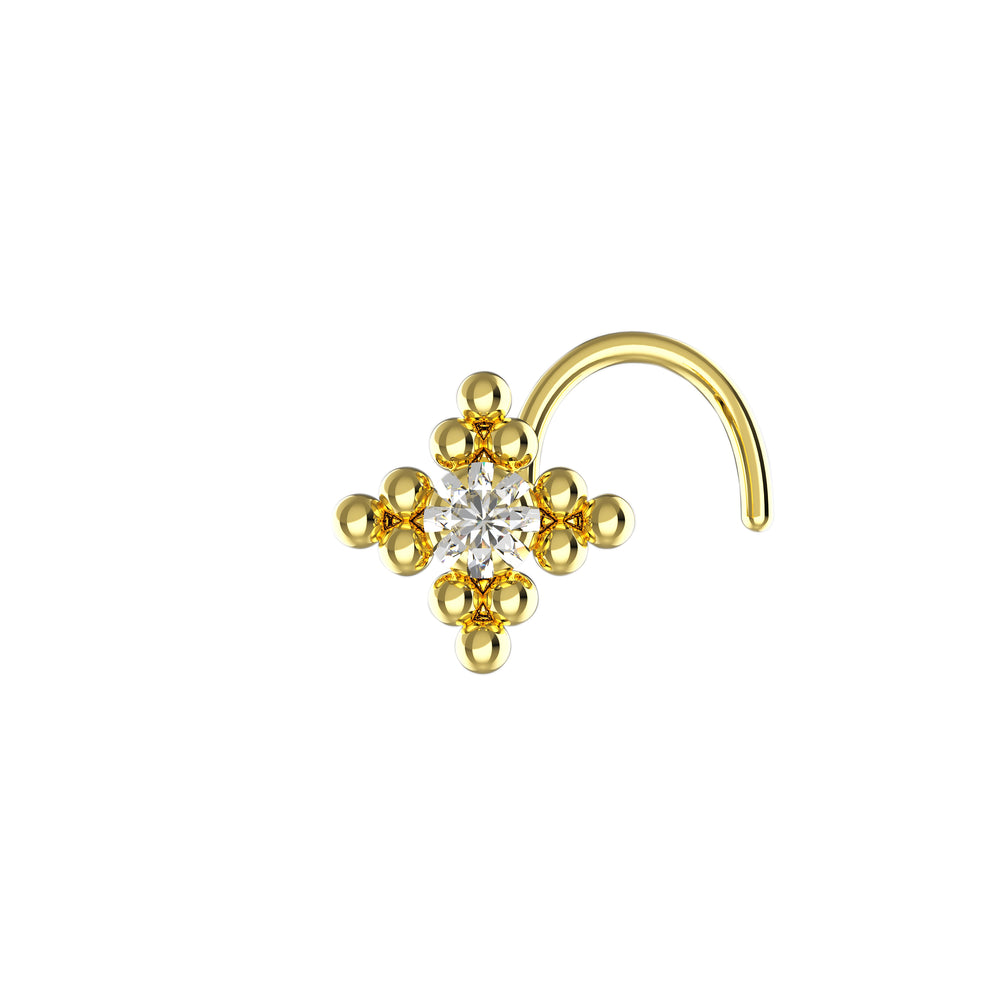
- Studs — the classic. L-shape, screw, or bone. Simple, secure, good for everyday.
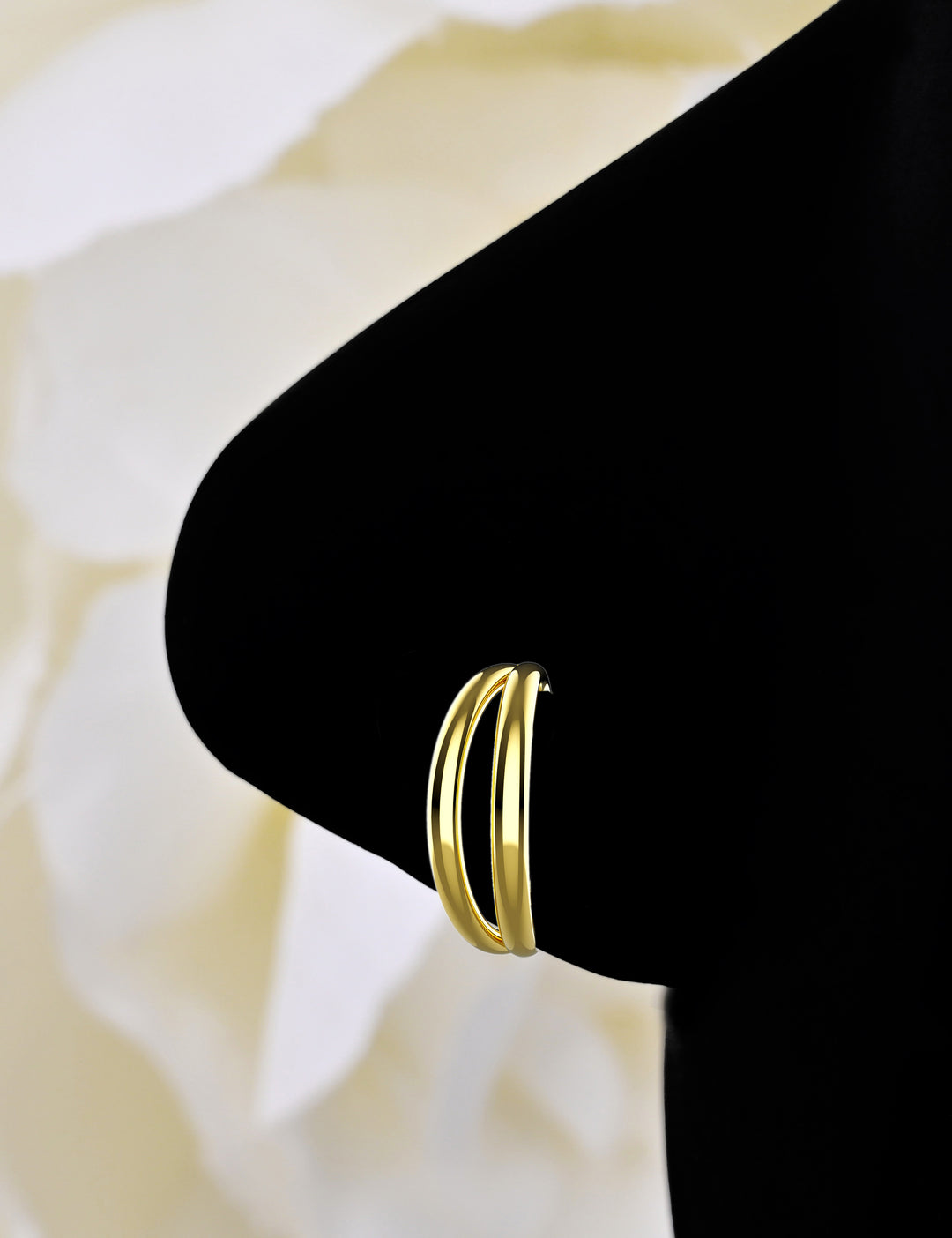
- Hoops — seamless, hinged, or captive bead. More visible, more expressive.
- Clickers — hinged hoops that snap closed. Easy to change, popular for septums.
- Captive bead rings — a hoop with a bead holding it closed. Classic punk look.
Custom options:
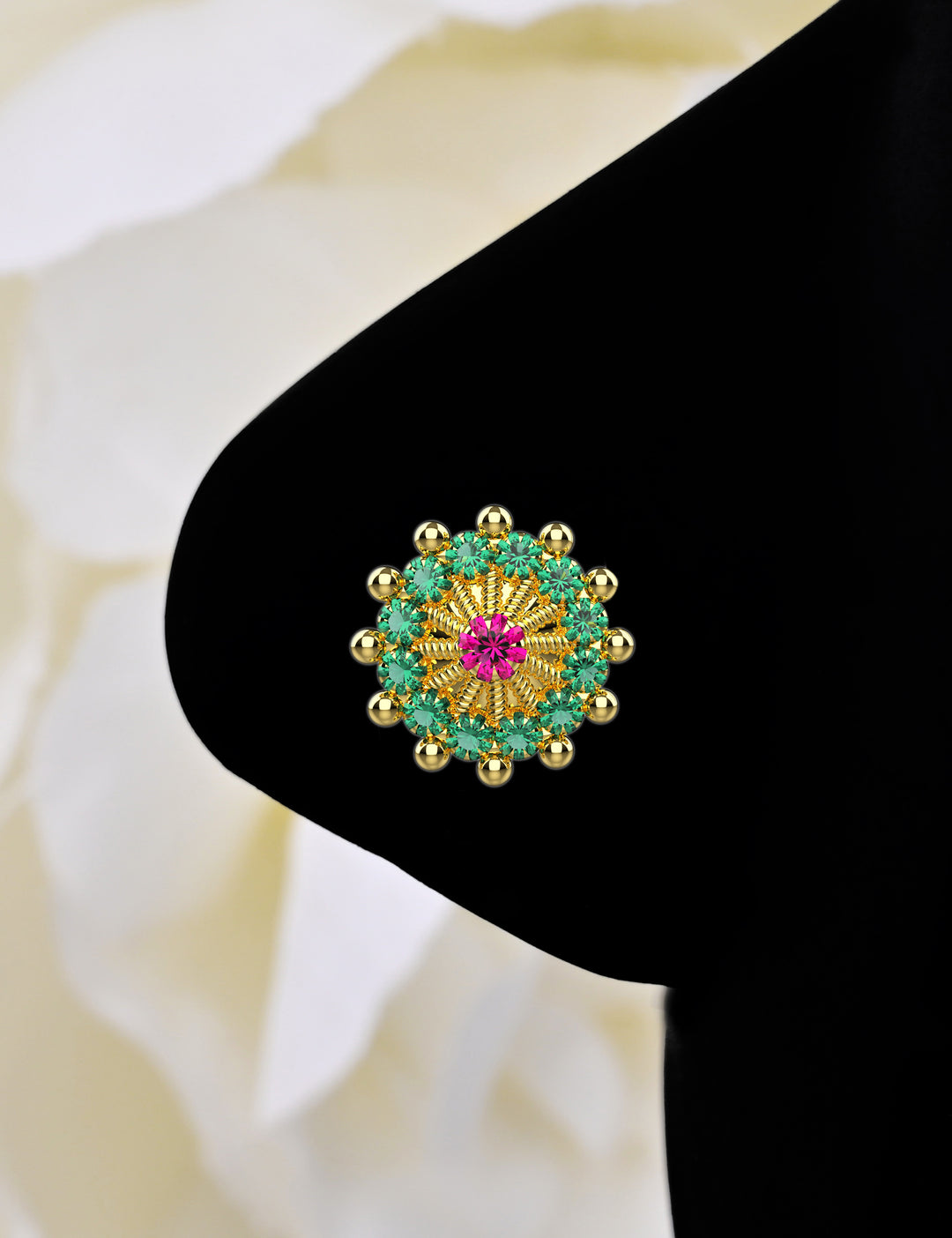
- Gemstones — birthstones, opals, cubic zirconia, lab-grown diamonds
- Engraving — initials, names, symbols, dates
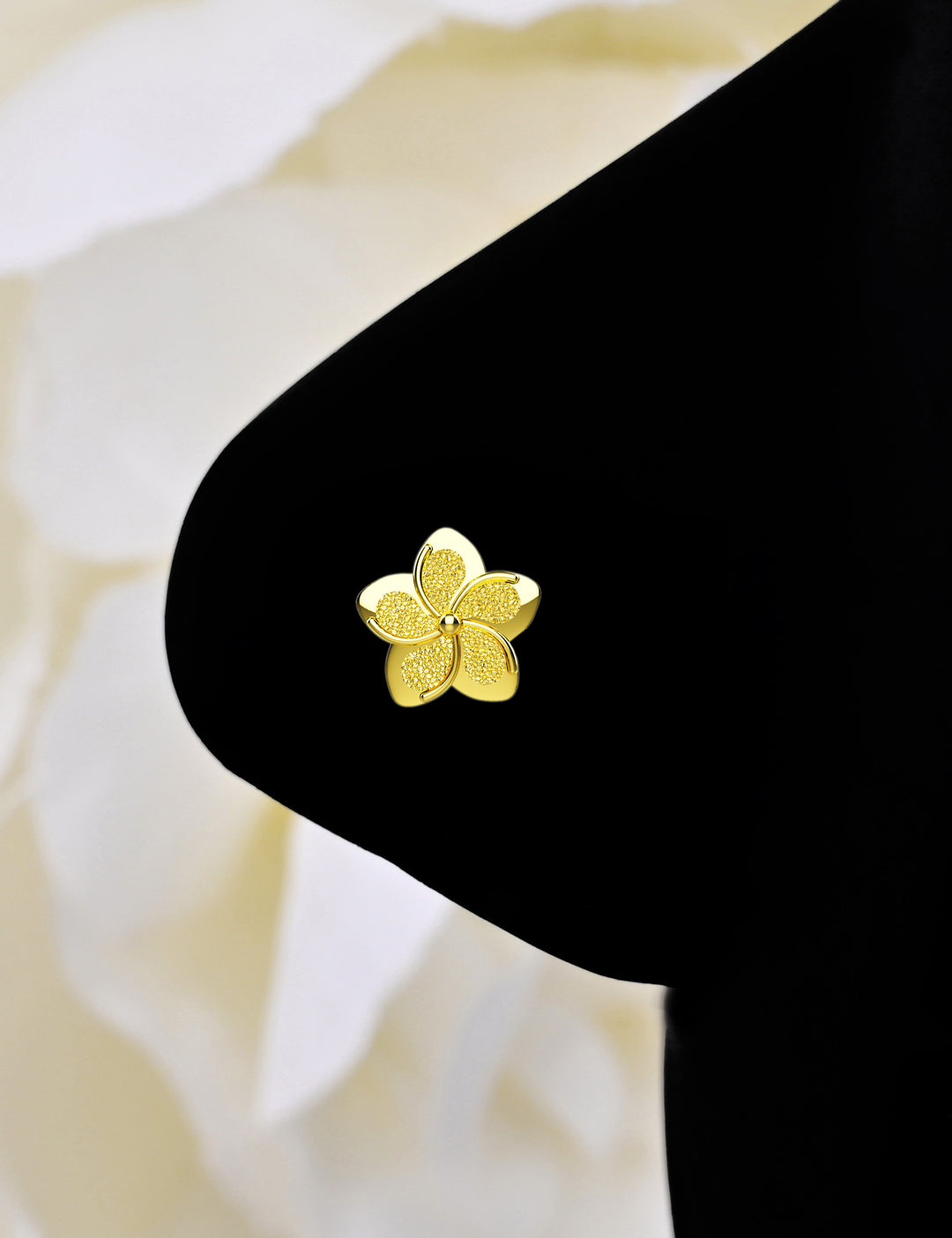
- Shapes — hearts, stars, geometric patterns, skulls
- Finishes — polished, matte, textured, rose gold, black
The skull nose ring is the one people ask me about most. It's bold and edgy, and it works best as a stud or a small hoop. I have one in black titanium, and it's still my favorite piece three years later.
The rose gold nose ring is the other one people ask about. It's warm, feminine, and photographs beautifully. I have a rose gold clicker for my septum, and it's the piece I get the most compliments on.
How to match design to anatomy:
Your nostril curve, face shape, and septum width all affect how a ring sits. A hoop that looks delicate on one person can look heavy on another. If you can, try on similar pieces at a piercer before ordering custom.
Belly rings
Types by placement:
- Top navel — the classic. Jewelry sits above the navel.
- Bottom navel — jewelry sits below. Less common, more prone to rejection.
- Double navel — two piercings, top and bottom. Statement look.
Types by style:
- Dangle charms — the piece moves and catches light. Popular and expressive.
- Flat settings — the gem sits flush against the skin. Cleaner, more minimal.
- Gem tops — a single gem or cluster at the top. Simple and elegant.
Custom options:
- Birthstones and colored gems
- Engraved charms — initials, symbols, meaningful dates
- Nature motifs — flowers, leaves, animals, celestial shapes
- Rose gold finishes — warm, elegant, popular right now
- Custom shapes — anything a designer can fabricate
The weight rule:
This is the thing nobody tells you about belly rings. Heavy charms pull on the piercing. Over time, they can cause migration — the piercing moves downward, the skin thins, and eventually the jewelry rejects.
I had a custom charm with three stacked gems that I loved. It was beautiful. It also weighed enough that after two months, my piercing started to migrate. I swapped it for a lighter piece and the migration stopped, but the damage was done. The piercing sits slightly lower than it used to.
If you're ordering a dangle charm, ask the maker about weight. Anything over a few grams should be worn occasionally, not daily.
Reader takeaway: Nose rings play with shape. Belly rings play with weight and movement. Design is where you express yourself — but only after the fit is right.
Step 5 — Where to Order (And How Not to Get Scammed)
You have three main options. Each has trade-offs.
Local piercers
Pros: They can measure you in person, they know your piercing, they often carry quality brands, and they can install the piece for you.
Cons: Limited inventory. Custom orders through a piercer take longer and cost more.
Best for: First-time custom orders. If you've never ordered custom before, start here.
Online retailers and marketplaces
Pros: Huge selection. Easy to browse. Often cheaper. You can order from anywhere.
Cons: Quality varies wildly. Sizing is on you. Returns are often impossible on custom pieces.
Best for: People who already know their measurements and have a trusted maker.
What to check:
- Material certifications (implant-grade titanium, solid gold, etc.)
- Real customer photos, not just product renders
- Return and exchange policy — read it before you order
- Reviews mentioning sizing accuracy and metal quality
Red flags:
- No material listed, or vague terms like "high-quality alloy"
- "One size fits all"
- Prices that seem too low for the material
- No real photos of the jewelry on actual people
- No sizing help or measurement guide
Specialty shops and designers
Pros: Highest quality. Fully custom work. You collaborate with the maker.
Cons: Most expensive. Longest turnaround. Often a waitlist.
Best for: People who want a true one-of-a-kind piece and are willing to pay for it.
Brands like BVLA and Anatometal are the gold standard in the piercing world. They're not cheap, but their pieces last decades and their materials are beyond reproach.
Where nose rings and belly rings differ
Nose ring inventory is broader. You can find custom nose rings on Etsy, from small makers, and through most piercers. Belly ring custom work is more niche — fewer makers, longer waits, and often a higher minimum order.
If you're ordering both, order the belly ring first. It'll take longer.
My personal experience
I've ordered from all three. The local piercer was the safest. Etsy was the most fun but the most inconsistent — I've had two pieces arrive wrong and one never arrive at all. The specialty shop was the most expensive and the most worth it.
The shop that ghosted me was a small Etsy seller with great photos and no reviews. Lesson learned: always check reviews, always ask for material certs, and never order from a shop with no return policy.
Step 6 — Ordering Timeline and Cost
Custom takes time. Here's what to expect.
Nose rings
- Turnaround: 2 weeks to 2 months, depending on the maker
- Entry: $30–$60 for basic custom pieces in titanium
- Mid: $60–$150 for gemstones, engraving, or gold
- Luxury: $150–$500+ for solid gold, high-end gemstones, or designer pieces
Belly rings
- Turnaround: 3 weeks to 3 months
- Entry: $50–$100 for basic custom pieces in titanium
- Mid: $100–$250 for gemstones, charms, or gold
- Luxury: $250–$800+ for solid gold, complex charms, or designer work
Why belly rings cost more
More metal. More labor. Weight testing. Gem setting on charms. And the simple fact that fewer makers do custom belly ring work, so the supply is smaller.
If you're ordering both, budget the belly ring higher and order it first.
What I'd Do Differently If I Started Over
1. Get measured by a piercer before ordering anything. Not once. Every time. Five minutes, saves hundreds of dollars.
2. Pick metal before design. Always. The design is the reward, not the starting point.
3. Order the belly ring first. Longer timeline, higher cost, more prone to fit issues.
4. Never buy custom jewelry for a fresh piercing. Heal with basic titanium first. Then go custom.
5. Ask for material certification. If a seller can't provide it, walk away.
6. Buy one good piece instead of three cheap ones. My $200 custom nose ring has outlasted five $30 pieces combined.
7. Check the weight of belly charms. Ask the maker. Anything over a few grams is occasional wear, not daily.
FAQ
Can I return a custom nose ring or belly ring?
Usually no. Custom pieces are made to your specifications, so most makers don't accept returns. Read the policy before you order.
What if it doesn't fit when it arrives?
Contact the maker immediately. Some will resize or remake at a discount. Others won't. This is why getting measured first matters so much.
Is custom worth it vs off-the-shelf?
Yes, if you've had trouble with off-the-shelf fit, quality, or design. No, if you're happy with standard pieces. Custom is about getting exactly what you want — and paying for it.
Can I wear custom jewelry in a fresh piercing?
No. Heal with basic implant-grade titanium first. Switch to custom after the piercing is fully healed — 4–8 weeks for a nose, 6–12 months for a belly.
Do nose rings and belly rings use the same gauge?
No. Nose rings are typically 20G, 18G, or 16G. Belly rings are typically 14G. The difference is because of movement and friction.
How do I stop a belly charm from snagging on clothes?
Choose a flatter charm, wear higher-waisted clothing during healing, and avoid heavy dangles for daily wear. If a charm snags constantly, it's the wrong charm.
Conclusion
Thirteen pieces later, I finally got it right.
The process is the same for nose rings and belly rings: gauge first, size second, metal third, design fourth, shop last. Fit is boring. Fit is everything. Design is the reward.
If you're ordering both, order the belly ring first. It takes longer, costs more, and matters more for healing. Get the nose ring after.
And whatever you do — have your piercer measure you before you order. I still do. Every time.
Thirteen pieces in, here are the two I'd reorder tomorrow: my black titanium skull nose ring, and my 8mm titanium belly barbell with a single opal. Both fit perfectly. Both healed clean. Both were worth every dollar.
Your custom piece should fit you — not the other way around. Get the numbers right, and the rest is easy.
Next: How to Choose Piercing Jewelry Metal for Sensitive Skin — coming soon.


Leave a comment